Yard Debris Removal Rhode Island Homeowners Trust
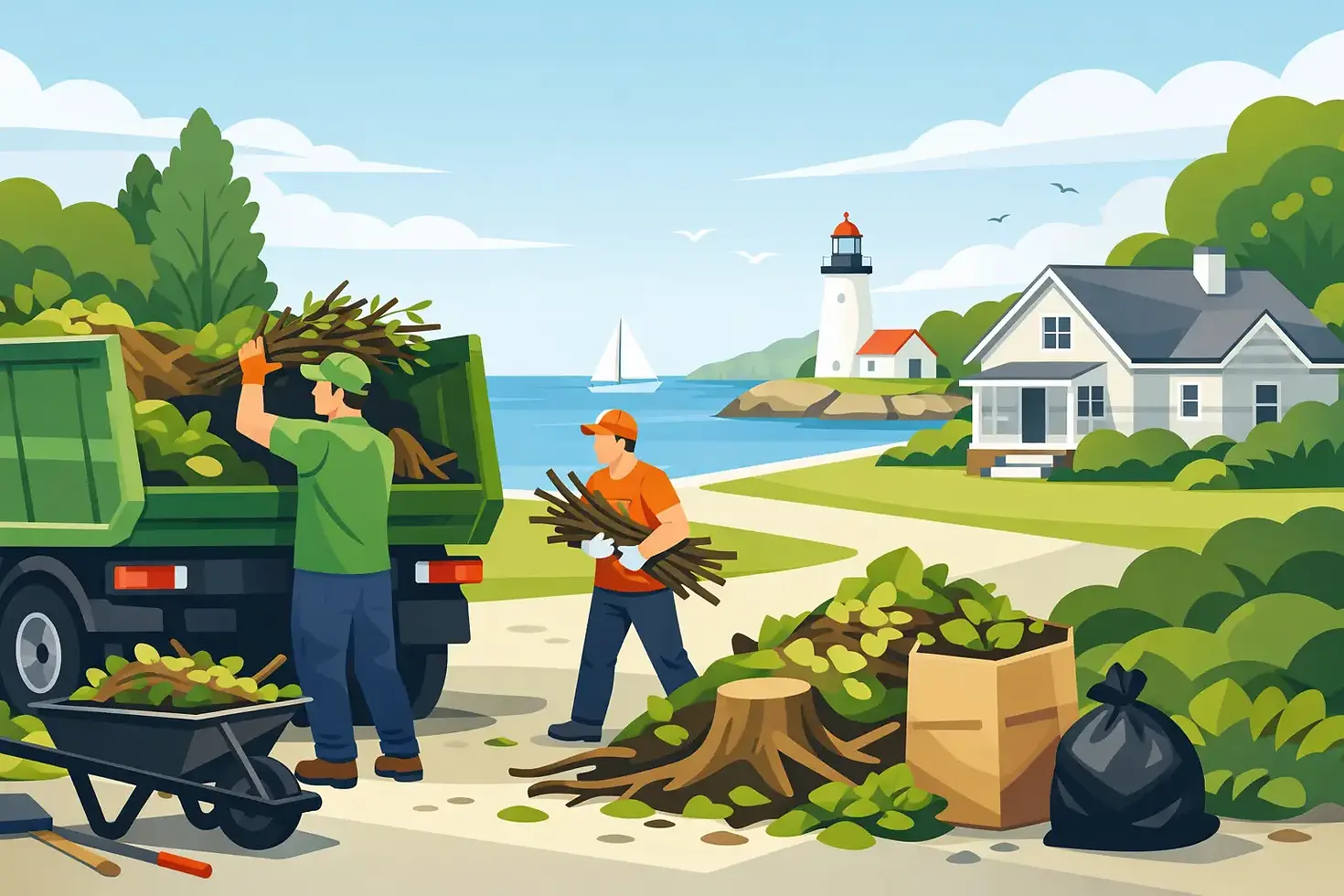
A weekend of pruning can leave more behind than a cleaner yard. Branch piles, wet leaves, old fencing, storm-damaged limbs, and worn-out patio materials can quickly take over the curb, driveway, or lawn. For yard debris removal Rhode Island homeowners can depend on, a hauling crew saves you from repeated dump runs, heavy lifting, and wondering what your regular trash pickup will accept.
The right approach depends on what is in the pile, how much material you have, and whether the cleanup is part of a larger property project. A few bags of leaves may be manageable. A yard full of brush after a storm or renovation usually calls for a faster, safer plan.
What Counts as Yard Debris?
Yard debris is more than grass clippings. It can include natural material from seasonal cleanup, landscaping work, tree trimming, and storm damage. It can also include outdoor items that no longer belong on your property.
A junk removal crew can commonly haul bagged leaves, brush, branches, small logs, shrubs, garden waste, and bundled trimmings. Many property cleanups also include old lawn furniture, grills, planters, fencing, sheds, swing sets, wheelbarrows, broken tools, and outdoor storage clutter. If your yard cleanup involves both green waste and unwanted items, handling it in one pickup is often easier than separating it into several projects.
The key is to be clear about what you need removed when you request an estimate. Some materials require special handling or cannot go into a standard junk load. Chemicals, gasoline, propane tanks, pesticides, paint, and other hazardous materials should be identified before the crew arrives. This protects everyone on the property and helps ensure proper disposal.
When Yard Debris Removal in Rhode Island Makes Sense
There is no prize for turning a simple cleanup into six truck trips. Renting a truck, loading it safely, securing branches, finding an approved disposal location, and paying separate dumping fees can take more time and money than expected. That is especially true when debris is wet, heavy, thorny, or scattered across the property.
Professional removal makes practical sense after a major pruning job, a windstorm, a landscaping overhaul, or a move. It is also helpful for landlords turning over a rental, real estate representatives preparing a home for sale, and contractors who need an outdoor work area cleared without slowing down the rest of the job.
A hauling service is not always necessary for a small amount of loose leaves or routine weekly yard waste. But once debris exceeds what your local collection accepts, blocks access to the yard, or requires more lifting than you can safely manage, calling a crew is the more efficient option.
After Storms and High-Wind Days
Rhode Island weather can turn healthy branches into a messy, tangled pile overnight. Broken limbs may land across walkways, driveways, fences, or outdoor equipment. Before anyone starts cutting or moving debris, look up and around. Downed utility lines, hanging branches, damaged trees, and unstable structures are not do-it-yourself hazards.
Once the area is safe, a removal crew can take away the loose debris and clear ground-level materials. Tree work involving climbing, large trunks, or dangerous overhead limbs should be handled by qualified tree professionals first. After that work is complete, hauling away the resulting brush and debris helps restore access to the property.
During Renovations and Outdoor Projects
Yard cleanup often grows when a project gets underway. Removing an old fence can reveal decades of brush behind it. Replacing a deck can leave lumber, railings, hardware, and damaged outdoor furniture. Clearing a neglected corner of a property may uncover old pots, tarps, scrap materials, and broken equipment.
This is where full-service hauling is useful. Instead of creating separate piles and arranging different disposal options, you can have one team load the unwanted material, haul it away, and leave you with a usable space. For larger self-directed projects, a dumpster rental may be the better fit, particularly when you expect debris to build up over several days.
How to Prepare for a Faster Pickup
You do not need to make the yard perfect before requesting removal. The crew can do the loading. Still, a little preparation can make the estimate and pickup go more smoothly.
Start by separating items you intend to keep from items you want gone. If possible, point out hidden materials such as wire, sharp metal, concrete blocks, or old landscaping supplies. Keep pets inside, make sure gates can open, and clear a path to the debris when you can. If the material is behind a shed, at the bottom of a slope, or spread across a large lot, mention that upfront.
Bagging leaves and small loose material can help contain the mess, but it is not required for every job. Branches can be stacked in manageable piles when practical. Do not spend hours cutting large limbs into tiny pieces just to make them look neat. A good estimate accounts for the amount of material, access to the work area, and the labor needed to load it.
What All-Inclusive Pricing Should Cover
A low number over the phone can sound appealing until labor, transportation, fuel, and disposal charges begin appearing separately. Ask what the quote includes before booking any yard debris removal service.
At Chris's Junk Removal, the quoted price is designed to cover the work from start to finish: labor, loading, hauling, and dumping fees. That approach matters because yard debris is rarely as simple as it looks from the street. A pile of wet brush can be much heavier than expected, and mixed outdoor debris can take time to sort and load safely.
A free estimate gives you a chance to show the full scope of the job. It also lets the crew recommend the most sensible service. One truckload may be enough for a seasonal cleanup. A larger estate, commercial property, construction site, or multi-day project may need a different plan.
Choose the Right Option for the Job
For one-time cleanup, truckload junk removal is usually the simplest choice. A crew arrives, evaluates the material, does the lifting, and hauls it away. This works well when you want the pile gone now and do not want a container sitting in the driveway.
Dumpster rental can be a better choice when you are working at your own pace. If you are clearing a yard over several weekends, removing landscaping features, or coordinating a renovation, having a dumpster on-site gives you room to load as you go. The trade-off is that you handle the loading yourself and need adequate space for the container.
For heavy outdoor structures, extensive property cleanouts, or demolition-related debris, ask for an assessment before deciding. Old sheds, decks, fencing, and large amounts of material may require more than a standard pickup. A licensed and insured team with experience in bigger cleanouts can help keep the work organized and the property safer.
Keep the Cleanup Safe and Useful
Avoid burning yard debris unless you have confirmed that it is permitted and safe to do so. Smoke, flying embers, dry brush, and changing weather conditions can create a serious problem quickly. Also avoid overloading your personal vehicle with branches or loose debris. Materials that shift on the road can damage your vehicle and create a hazard for other drivers.
The best yard cleanup leaves you with more than an empty pile. It gives you clear walkways, room to use your outdoor space, and one less unfinished job hanging over the property. Whether you have a few bulky outdoor items or a full yard of storm debris, getting it handled promptly makes the next step easier. You call, we haul.


Comments