Items Accepted by Junk Haulers in Rhode Island
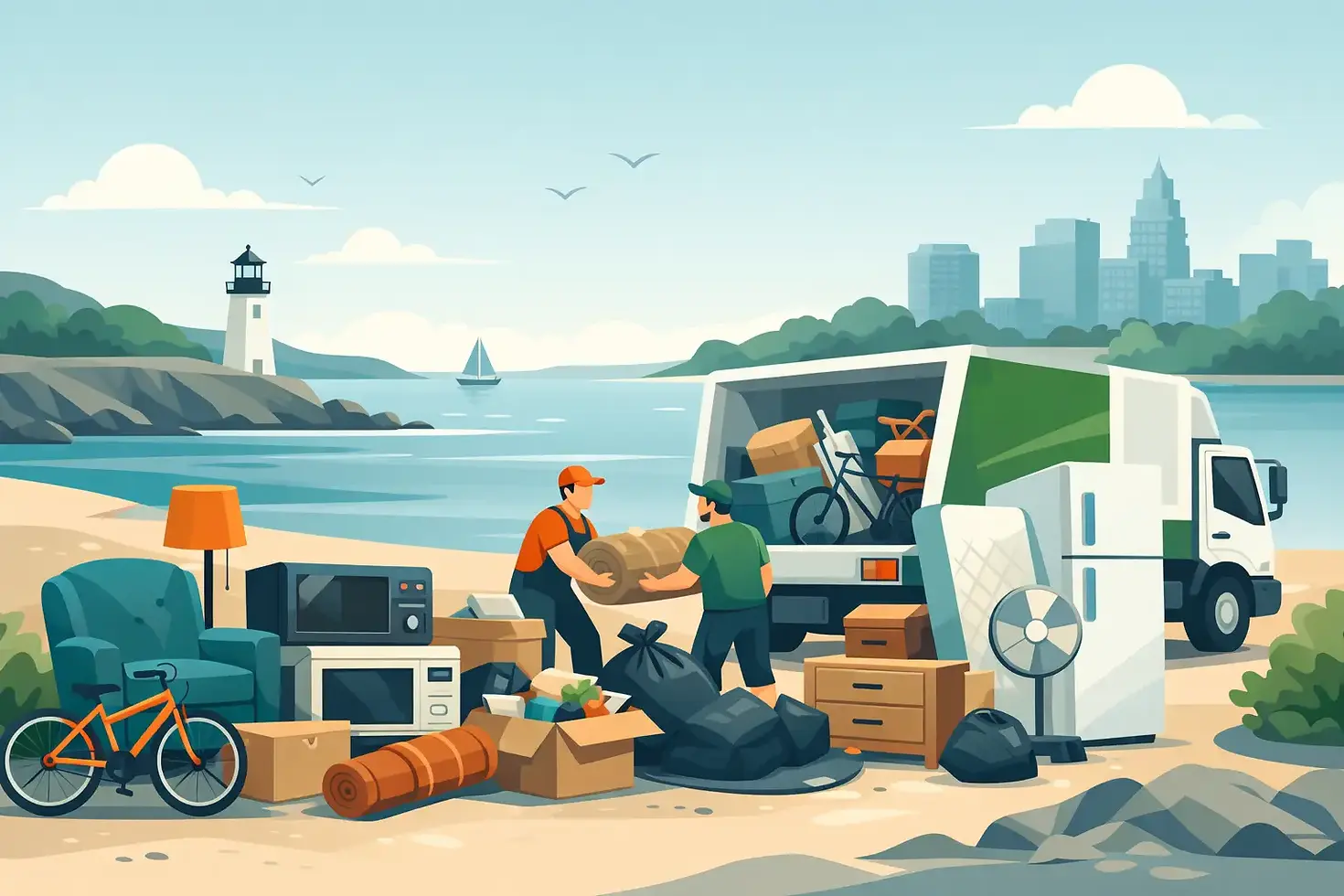
A broken couch in the basement, an old refrigerator in the garage, leftover materials from a renovation - most of the items accepted by junk haulers are the things regular trash pickup will not take. The goal is simple: you point out what has to go, and a hauling crew handles the lifting, loading, transportation, and disposal.
That said, not every unwanted item belongs in a junk truck. Some materials require special disposal because they are hazardous, regulated, or unsafe to transport. Knowing the difference before you book helps the job move faster and keeps your estimate accurate.
What Items Do Junk Haulers Accept?
Full-service junk haulers are equipped for far more than bags of household clutter. They commonly remove single bulky items, packed rooms, entire properties, and debris from active job sites. Whether you are clearing a home before a move, cleaning out a rental between tenants, or dealing with an inherited estate, the same basic rule applies: if it is non-hazardous and can be safely loaded, it can usually be hauled away.
Furniture and household junk
Old furniture is one of the most common reasons people call a junk removal company. Sofas, sectionals, recliners, mattresses, box springs, bed frames, dressers, tables, chairs, entertainment centers, desks, bookcases, and cabinets can all take up valuable space long after they have stopped being useful.
Haulers also take everyday household clutter that has built up in attics, garages, basements, closets, and spare rooms. This may include toys, clothing, kitchenware, home decor, small appliances, boxes, rugs, exercise equipment, and general bagged junk. You do not need to drag it all to the curb. A full-service crew can remove items from where they sit, including upstairs rooms or tight basement areas when access is safe.
Appliances and electronics
Large appliances are difficult to move and often cannot be left with regular household trash. Junk haulers commonly accept washers, dryers, refrigerators, freezers, ovens, stoves, dishwashers, microwaves, air conditioners, dehumidifiers, water heaters, and similar items.
Electronics are also frequent pickup items. Televisions, computers, monitors, printers, fax machines, stereo equipment, old phones, cables, and other e-waste may be removed during a cleanout. Disposal rules can differ by item and location, especially for televisions, computer monitors, and appliances containing refrigerants. A reputable company will account for the proper handling needed when preparing your quote.
Before a pickup, empty refrigerators and freezers completely. If an appliance is still connected to water, gas, or electrical lines, have those connections safely disconnected first. Hauling crews remove the item, but utility disconnection may require a qualified professional.
Renovation and construction debris
A kitchen update, bathroom demolition, roofing project, or flooring replacement can create more debris than a homeowner or contractor can reasonably haul in a pickup truck. Junk haulers can often remove drywall, lumber, trim, doors, cabinets, countertops, carpeting, tile, insulation, siding, fixtures, and non-hazardous demolition debris.
Concrete, brick, dirt, asphalt, and other heavy materials may also be accepted, but they need to be discussed in advance. Weight affects transportation and disposal costs, and these materials may need to be loaded separately from lighter debris. A clear description of the project helps the crew bring the right equipment and quote the job fairly.
For larger renovation projects, demolition services or a dumpster rental may make more sense than several individual pickups. It depends on how quickly debris will accumulate, whether you want to load it yourself, and how much space is available at the property.
Yard waste and outdoor items
Outdoor clutter can make a property look neglected fast. Junk removal crews can typically take branches, brush, leaves, yard debris, old fencing, sheds, deck materials, outdoor furniture, grills, playsets, hot tubs, lawn mowers, and worn-out patio items.
Some outdoor materials require preparation. Propane tanks, for example, are not handled the same way as an old plastic chair. Fuel must be removed from gas-powered equipment when required, and larger structures may need to be dismantled before hauling or included as part of a demolition job. If you are clearing a yard after a storm or tackling a long-overdue cleanup, mention oversized or unusually heavy items when requesting an estimate.
Property, estate, and storage-unit cleanouts
Whole-property cleanouts are a different kind of job. They often involve furniture, personal belongings, appliances, bags of trash, basement contents, garage clutter, and years of accumulated material all at once. Estate representatives, landlords, and property owners need a crew that can work steadily through the property while respecting the scope of the task.
Junk haulers can remove contents from houses, apartments, condos, storage units, offices, warehouses, and commercial spaces. This is especially helpful after a move-out, foreclosure, tenant turnover, business relocation, or estate settlement. For large cleanouts, set aside documents, photos, valuables, and personal items before work begins. Once the crew starts loading, the process can move quickly.
Items That Need Special Handling
The items accepted by junk haulers do have limits. Safety and disposal laws matter, and responsible haulers will not simply toss restricted materials into a truck with ordinary debris.
Hazardous materials are usually not accepted in a standard junk removal pickup. These can include paint, solvents, chemicals, gasoline, diesel fuel, motor oil, pesticides, herbicides, pool chemicals, fireworks, ammunition, medical waste, and asbestos-containing materials. These items should be handled through the appropriate local hazardous waste program or a qualified specialty contractor.
Other items may be accepted only under certain conditions. Tires, batteries, propane tanks, refrigerators, air conditioners, televisions, and large amounts of concrete can carry added disposal requirements or fees. That does not mean they cannot be removed. It means you should identify them when you call rather than leaving them as a surprise on pickup day.
If you are unsure about an item, do not guess. Describe it, send photos if requested, and ask directly. A good hauling company would rather clarify the material before arriving than delay your project after the crew is on site.
How to Prepare for a Junk Removal Pickup
You do not have to organize every item into neat piles. That is one reason people hire a hauling crew in the first place. Still, a little preparation can save time and prevent accidental disposal of something you meant to keep.
Walk through the area once before the appointment. Remove cash, jewelry, important papers, medications, family photos, keys, and anything with personal information. Mark items that are staying, especially if a cleanout includes a mix of unwanted furniture and belongings you still need.
Make a clear path where possible. Move vehicles if the driveway is needed for loading, secure pets, and let the crew know about narrow stairs, low ceilings, difficult parking, or items located in a crawl space, attic, or backyard. These details help the job go smoothly and let the team plan for safe removal.
What Your Quote Should Cover
The cheapest number is not always the real cost. Some disposal services quote only the truck space, then add labor, dumping fees, fuel, stairs, or extra charges after the fact. Ask what is included before approving the work.
With Chris's Junk Removal, the quoted price covers the labor, hauling, dumping fees, and related hauling expenses for the agreed-upon job. That straightforward approach is useful whether you have one oversized item or a full building cleanout. The crew can evaluate the material, explain the price, and get to work once you approve it.
When clutter has become a move-out problem, a safety issue, or a project that has been sitting too long, you do not need to figure out how to haul it alone. Gather the items you want gone, identify anything that needs special handling, and let a local insured crew take the weight off your hands.


Comments